
Why are the bitter substances so healthy?
Anyone who has ever eaten a radicchio salad or drunk grapefruit juice knows the feeling: bitter substances are not necessarily to everyone’s taste. That is why, in recent times, bitter substances have increasingly been bred out of many fruits and vegetables in order to give them a milder flavor. Yet bitter substances have always been regarded as very healthy in natural medicine.
In Ayurveda, for example, bitter foods eaten before and during meals are an important component of a healthy eating culture. In this article, we show you why bitter substances are so healthy, which foods contain them, and how you can easily and effortlessly incorporate them into your daily diet.
What are bitter substances?
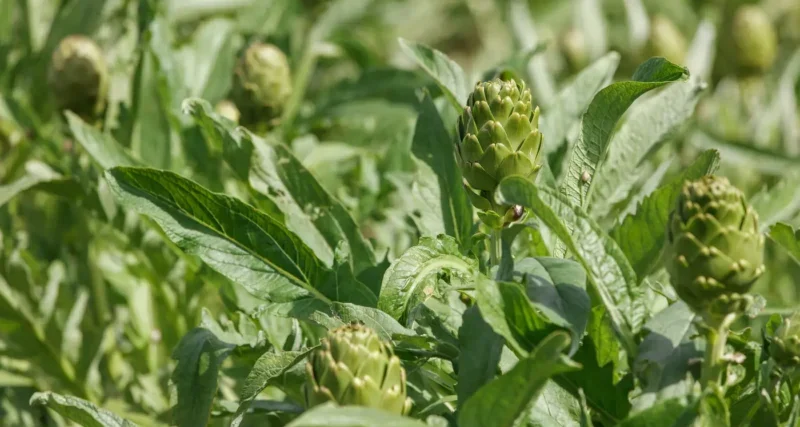
Bitter substances are secondary plant compounds that – just as the name suggests – have a bitter taste. They occur in varying concentrations in almost all vegetables, herbs, and spices. They are not a single substance, but rather a group of many different bitter compounds. Well-known examples include lactucin in salads such as radicchio, endive, and chicory, naringenin in pomelo and grapefruit, cynarin in artichokes, oleuropein in olives and resveratrol in red grapes.
As different as these bitter compounds are, they all have one thing in common: they all have an extremely health-promoting effect, which is increasingly being confirmed by modern science.
Bitter substances promote digestion
Bitter substances are perfect catalysts for a well-functioning digestive system. The body reacts as soon as they first come into contact with the tongue. The bitter taste signals to the body that food needs to be digested and sets a series of reactions in motion:
- Saliva production is stimulated.
- The stomach produces more digestive juices.
- The secretion of bile and digestive enzymes increases.
- Intestinal activity is stimulated.
Through this chain reaction, food – especially proteins that are difficult to digest – is broken down into smaller building blocks and is therefore made optimally available to the body’s cells.
Support for the liver and metabolism
The liver is the body’s most important organ for metabolism and detoxification. Due to poor nutrition and stress, it is heavily burdened today and, in many cases, can no longer perform its many functions as effectively as is necessary for a healthy body. Bitter substances, especially those derived from artichokes, dandelion, and milk thistle, have traditionally been used to regenerate the liver and support its function.
Bitter substances particularly stimulate the liver’s production of bile. As a result, fat digestion and the regulation of the entire metabolism get back into full swing. So-called liver complex preparations, which contain a balanced mixture of various bitter extract compounds, are considered especially effective. Read more: Liver Detox
Bitter substances against food cravings
Bitter substances stimulate the production of an appetite-regulating hormone called cholecystokinin. Through special bitter receptors in the mouth and digestive tract, it activates other hormones involved in the regulation of hunger and satiety. Many studies now suggest that foods rich in bitter compounds enhance the feeling of fullness and reduce cravings.
Bitter substances should be taken before or after meals. Taken before eating, they prepare the digestive tract for food intake, promote fat digestion through the production of bile, and stimulate the production of appetite-regulating hormones. Taken after eating, they aid digestion and help prevent feelings of fullness and bloating.
How can they be integrated into everyday life?
The best approach is to make the intake of bitter substances part of your daily routine and to incorporate them into your usual diet as often as possible. By combining them with the foods you normally eat, you will become accustomed relatively quickly to their initially somewhat unusual bitter taste.
Here are a few examples:
- mix radicchio with other salad greens
- use arugula more often instead of, for example, iceberg lettuce
- serve artichokes together with other vegetables as a side dish
- drink freshly squeezed grapefruit juice mixed with orange juice, or on its own, for breakfast
- use herbs such as dandelion, ginger, or turmeric
- drink unsweetened herbal teas containing bitter plant extracts more frequently